
Oakland Veterinary Referral Services Blog
One Paw at a Time: Keeping the Dog Out of the Litter Box
 Living with both dogs and cats can be a wonderful experience. Not only do we get to connect with and enjoy these two very different species, but watching them play, snuggle, and even annoy each other is a fun and meaningful aspect of pet ownership.
Of course, living with multiple pets has its challenges, especially when Fido has a tendency to raid the litter box. Not only do pet owners hate this disgusting practice, it’s also highly likely that the cat doesn’t appreciate their private bathroom being invaded by the family dog!
Fortunately, it doesn’t take much effort to keep your dog out of the litter box, and your team at OVRS is here to help you every step of the way.
When Good Knees Go Bad: All About Pet Cruciate Ligament Surgery
 There isn’t a football fan out there who hasn’t heard of an ACL injury. This common injury in the knee involves the anterior cruciate ligament and can have a player on the sidelines for months. What you might not know, though, is that animals can rupture their cruciate ligament as well. When this happens, thankfully, Oakland Veterinary Referral Services is here to help talk about pet cruciate ligament surgery.
Keeping it Safe: Prevent Pet Poisoning in Your Home
 Of the many things you do to care for your pet, we hope that poison proofing your home is one of them. It’s amazing (and somewhat scary) to see just how many things in your home and yard can be toxic to pets. Some may only cause gastrointestinal upset (which is bad enough), but others can cause organ failure or even death.
Poison Prevention Week is the third week in March, so Oakland Veterinary Referral Services would like to share a checklist of common household items that may be hazardous to your pet’s health. Together, we can prevent pet poisoning this month and beyond.
Compassion Fatigue in Veterinary Medicine
 Caregivers are a unique breed, so to speak. From human doctors, nurses, and home health care providers, to veterinarians and veterinary technicians and staff, these talented individuals put their hearts and minds into helping their patients every day.
Caregiving professions typically attract people with empathy and compassion. The nature and demands of caregiving work, coupled with these traits, means that sometimes these caregivers may sacrifice their own needs for their patients. Burnout and compassion fatigue can result.
Our profession has seen an epidemic of compassion fatigue in the last few years, which has tragically led to an increase in depression and suicide. At Oakland Veterinary Referral Services, we wanted to explore this alarming trend and shed some light on what we can do to recognize and prevent compassion fatigue.
Looking Forward to a Bright Future at Oakland Veterinary Referral Services
 Let us start by wishing you a happy New Year! We would not be where we are today at Oakland Veterinary Referral Services without our wonderful patients, their families, and the continuing support of our incredible referring veterinarians. For that, we say thank you!
We’ve had a busy year, and we’re always striving to provide our patients with top-of-the-line care in a safe and friendly environment. We’re excited to share with you the ways in which OVRS has grown and changed, while still offering the compassionate care you’ve come to expect.
Entertainment, Stimulation, and Exercise After Your Pet’s Surgery
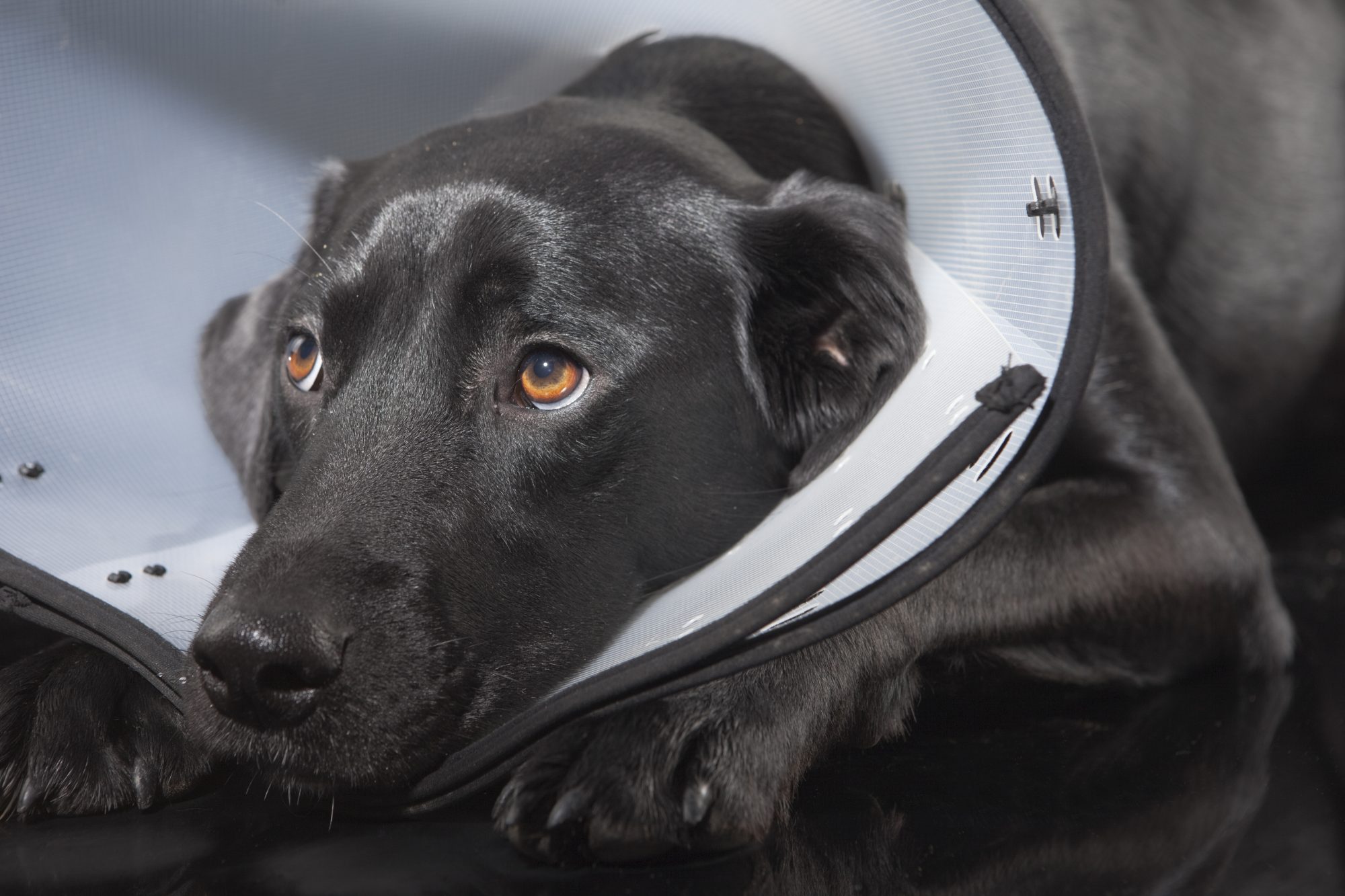 After surgery, it’s very likely that your pet will be ordered to rest and remain calm during recovery (and we’re sure you want them to rest too!). Depending on the procedure, your pet may be restricted in movement, diet, and other aspects of daily life in order to promote healing. But what does this time of rest during recovery actually mean for your pet?
If you’ve ever had surgery, being relegated to sleep and a restricted regimen can be quite boring. The same is true for your pet post-surgery. Because all animals need enrichment and stimulation, it’s necessary to create games, activities, and other positive outlets that can promote wellbeing during this time.
A happy pet, after all, typically enjoys a faster recovery time. The team at Oakland Veterinary Referral Services has some suggestions for activities and exercises after your pet’s surgery.
Kitty on the Move: Our Top 10 Cat Toys for Fun and Friskiness
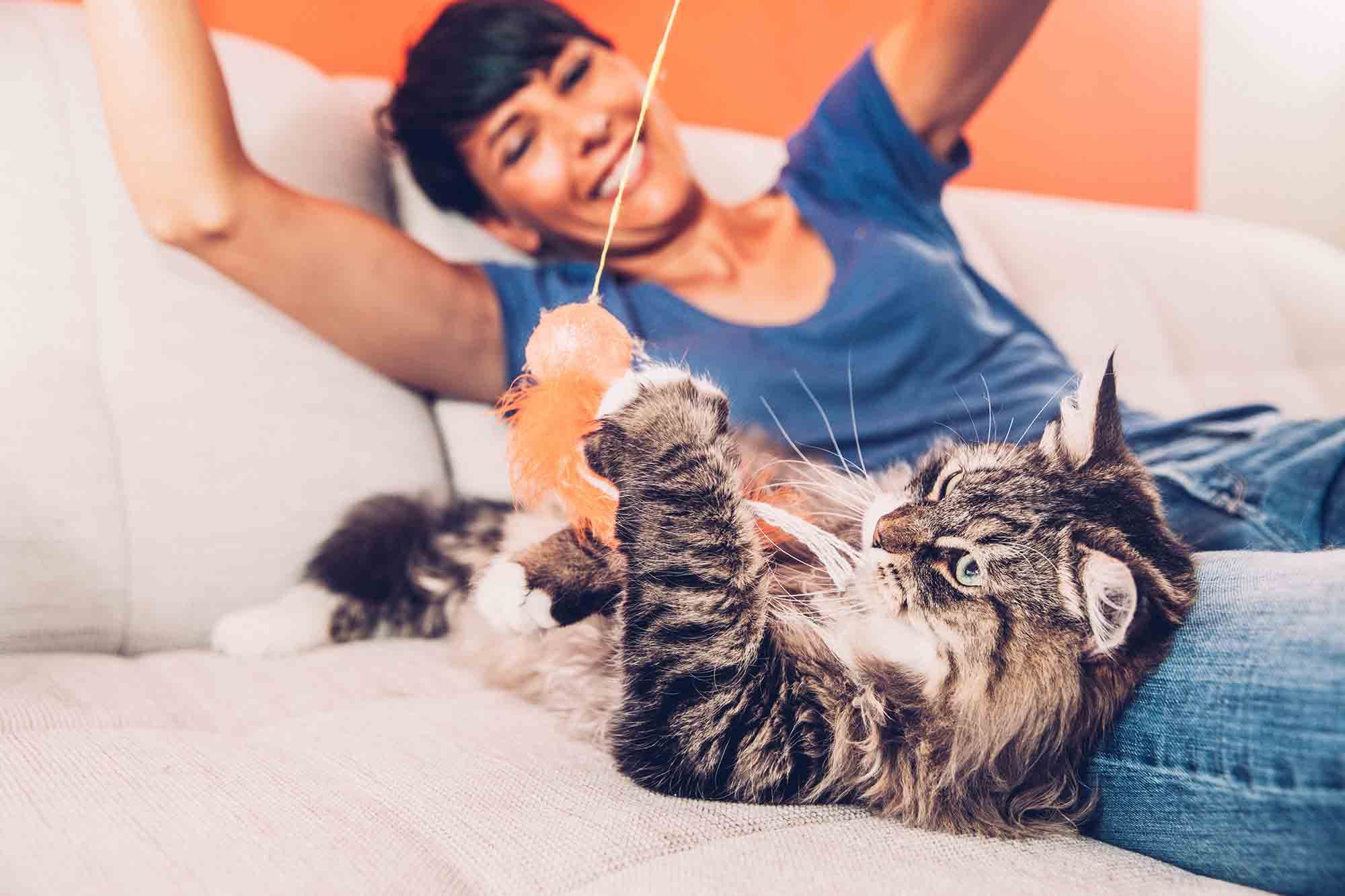 There’s no question that indoor cats enjoy better health and increased longevity than their outdoor counterparts. Your indoor cat may be safe and cozy, but their feline instincts don’t know the difference. Without an outlet for excess energy, indoor cats can wreak havoc on furniture and belongings, get into potentially hazardous substances, and soil the home.
Your team at Oakland Veterinary Referral Services wants to help you provide your cat with the physical and mental enrichment they deserve (and save your couch in the process). Join us as we share our picks for 2018’s top 10 cat toys designed with active cats in mind!
A Spotlight on the Online Veterinary Forms at OVRS
 At Oakland Veterinary Referral Services, we consider it an honor and a privilege to provide the best possible emergency and specialty care for our patients. As a service to our clients and referring veterinarians, we offer a variety of online veterinary services and forms in an effort to make providing ongoing care for our patients as convenient as possible for everyone involved.
Take a moment to familiarize yourself with the ways in which our online veterinary forms can make your life a little easier!
It’s Our Duty! Responsible Use of Antibiotics in Pets
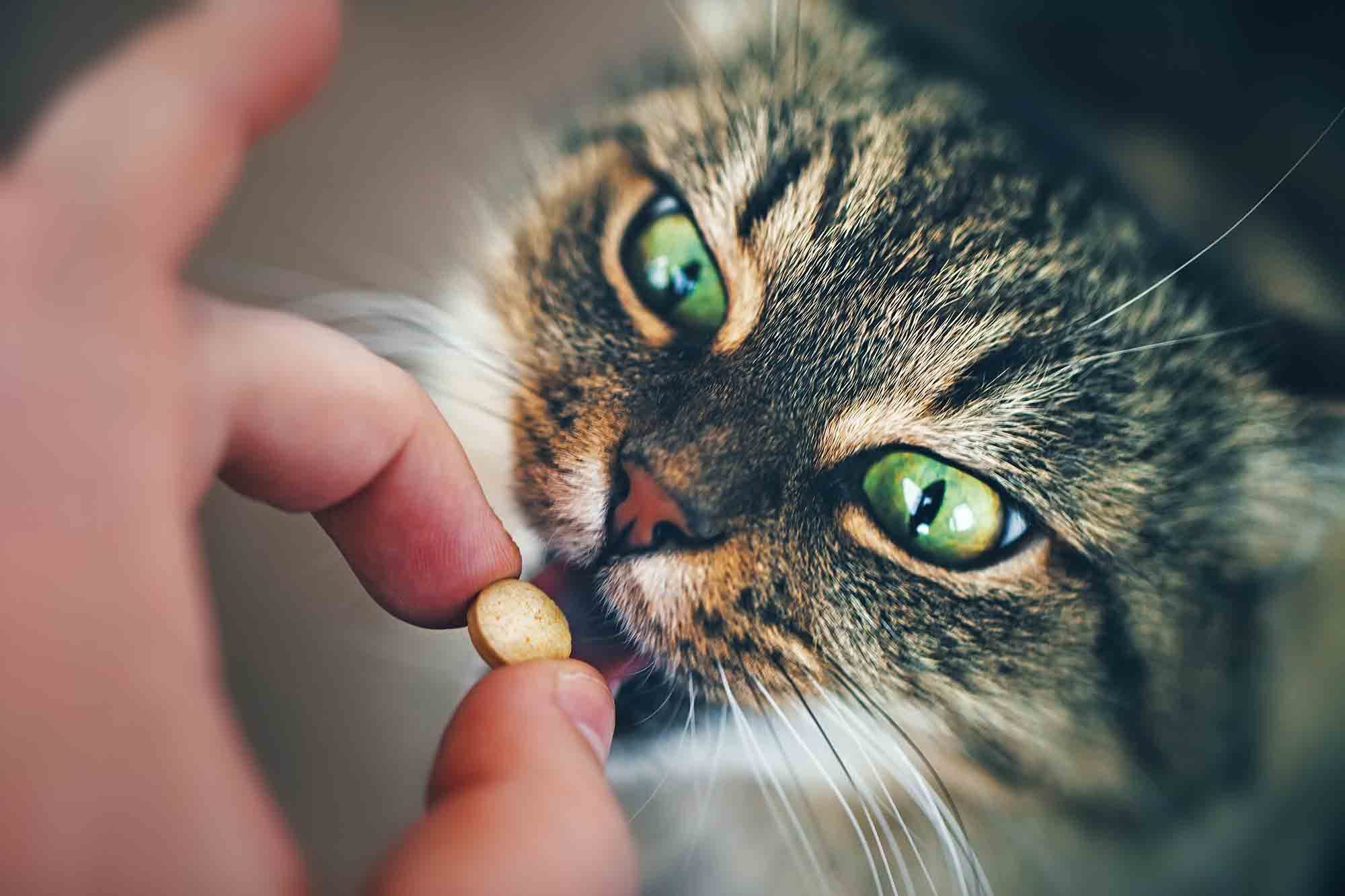 When Alexander Fleming discovered penicillin in 1928, the world as we knew it changed, much for the better. Antibiotics have been essential in modern human and veterinary medicine, allowing us to successfully treat many conditions that were once devastating.
With great power, though, comes great responsibility. The tendency to overuse these important drugs has lead to antibiotic resistance over the years. Join Oakland Veterinary Referral Services in recognizing and respecting the conscientious way to use antibiotics in pets.
Doggone Satisfying: Dogs Enjoy Work, Too!
 As an adult, you’ve probably experienced the satisfaction of a hard day’s work. It might come as a surprise, but you and Fido may not be so different after all! A recent study from Sweden revealed that dogs, too, enjoy earning their rewards. They just prefer peanut butter to a paycheck.